
Agnomy Journal
Industry News
Latest news and updates from the agricultural industry.

Agnomy Awarded Grand Prize at AWS AI Pitch Competition
Agnomy was awarded the grand prize at the AWS AI Pitch Competition hosted with AWS, nClouds, AllCode, and the California Capital Women’s Business Center. Built by farmers for farmers, Agnomy is focused on helping growers and service providers better coordinate agricultural work when timing matters most.

USDA Releases 2026 Almond Crop Estimate: What It Means for California Growers
USDA released its official 2026 California almond crop estimate at 2.70 billion pounds. This blog breaks down the numbers, acreage, yield projections, and what the report could mean for growers, pricing, and the almond market moving forward.

USDA Approves $9 Million Relief Program for California Cling Peach Growers
USDA has approved up to $9 million in relief for California cling peach growers impacted by recent market disruptions. The program is designed to help remove trees, transition acreage, and reduce grower losses. Learn what it means, who may qualify, and what steps growers should take next.

Fowler Brothers Farming, Ag Land Partners, and American Almond Company Join Agnomy
Fowler Brothers Farming, Ag Land Partners, and American Almond Company have joined Agnomy, bringing trusted agricultural services onto the platform. Their addition reflects a growing shift toward more connected, efficient ways for growers to find and manage farm work.

USDA Reopened Acreage Reporting for Specialty Crop Growers: Don’t Miss This Window
The USDA has reopened the acreage reporting period for specialty crop growers impacted by market disruptions. This update allows eligible farmers to submit or correct acreage reports and regain access to important USDA programs. Learn who qualifies, what benefits are available, and how to get started.

Del Monte Update 2026: What the Asset Sales Mean for California Peach Growers
Del Monte has completed the sale of its business segments, with Pacific Coast Producers playing a key role in the transition of processing operations. This update breaks down what the deal means for California cling peach growers, including changes in processing capacity, contracts, and market structure moving forward.

AgTech 2026: The Rise of a New Tech Savvy Trade Economy in Agriculture
AgTech innovation is rapidly transforming agriculture. Automated irrigation, drone services, robotics, and AI-driven equipment are helping farmers reduce costs and operate more efficiently. These technologies are also creating a new trade economy where tech-savvy entrepreneurs can build agricultural service businesses that deploy modern solutions in the field.

What the New 2026 Farm Bill Means for California Farmers
The new farm bill is moving through Congress and could shape agricultural policy for the next five years. This guide explains the key programs included in the legislation and how they may impact California farmers, from crop insurance and conservation funding to research and rural development.

Why More Farmers Are Hiring Ag Services Instead of Owning Equipment
Rising equipment costs, complex technology, and labor challenges are changing how farms operate. More growers are turning to custom agricultural services instead of owning every piece of equipment. This article explains why farming is becoming a service based economy and how growers are adapting.

Del Monte Bankruptcy 2026: What California Peach Growers Should Do Right Now
Del Monte Foods’ Chapter 11 restructuring has created immediate uncertainty for California processing peach growers with active contracts. While operations continue during asset sales, growers face real risk tied to contract assumption, payment timing, and potential volume reductions. In the next 90 days, growers should confirm contract status in writing, explore alternative processors, protect liquidity, monitor government relief programs, and avoid irreversible decisions to remove orchards until market clarity improves. Strategic patience and disciplined planning, not panic, will determine which operations remain strongest through industry consolidation.

Ag Burn Alternatives Grant in California: Funding for Orchard and Vineyard Removal
California is phasing out open agricultural burning. The Ag Burn Alternatives Grant Program provides funding for orchard and vineyard growers to chip and incorporate woody material instead of burning. This guide explains eligibility, incentives, and how growers can plan removal projects while staying compliant.
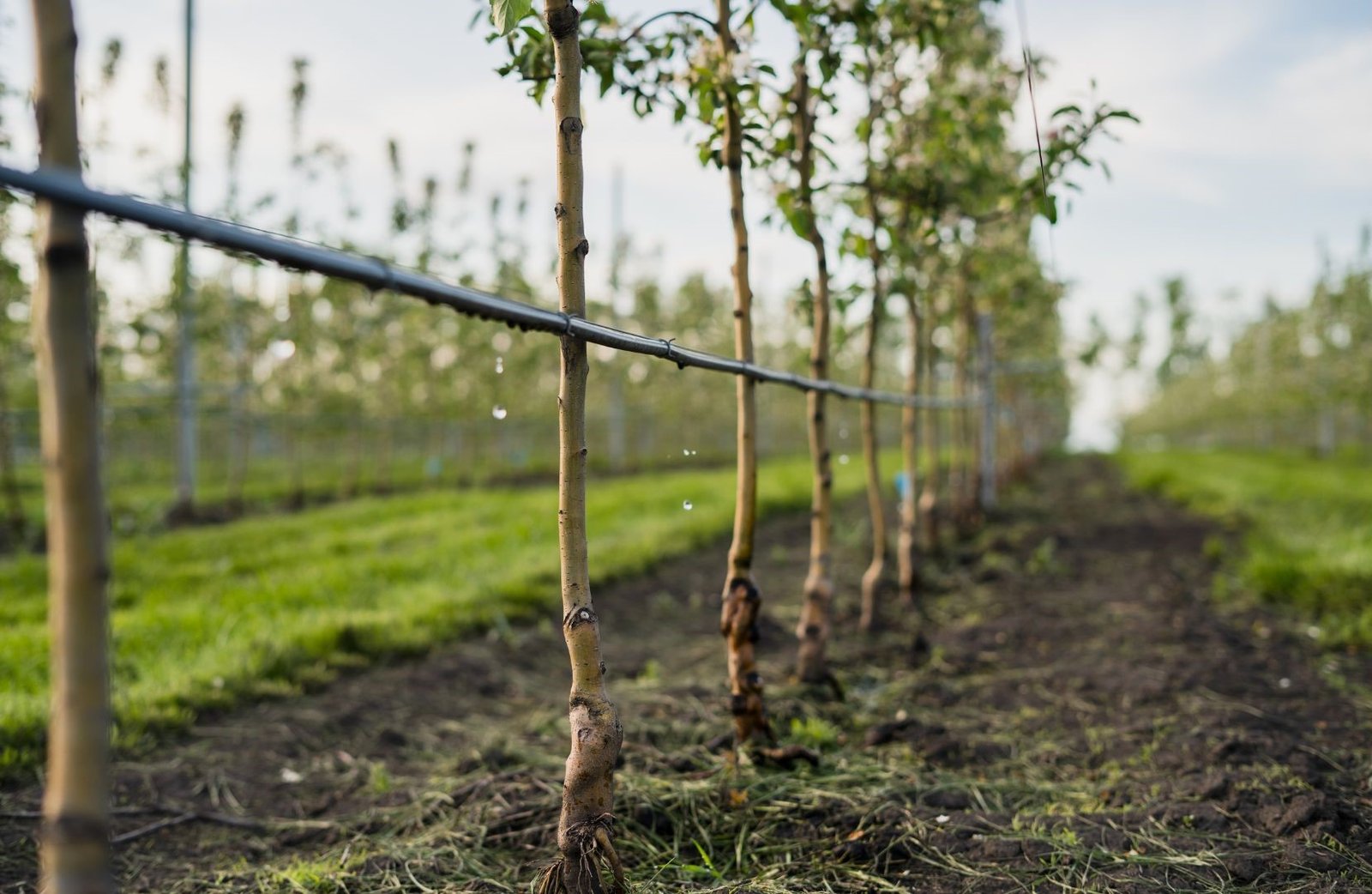
California Water Regulations: What Farmers Need to Know in 2026
A Practical Guide for Growers Navigating SGMA, Irrigation Rules, and Reporting Requirements